

Discovery
Agree permissions, ownership and exception handling for the first phase.
Map the process, clarify the rules and plan the right integration. Build a practical first version around the people who will use it.

Map the records and handovers before proposing an automation.
Agree permissions, ownership and exception handling for the first phase.
Keep business rules and approval steps clear and reviewable.
Your business sources. Your team’s approval.
Review reporting needs against the records the workflow actually creates.

Describe the current handovers and the information each person needs before proposing a workflow.
Confirm record ownership, permissions and exception handling before adding automation.

Make approval steps and business rules clear, then test the result with your team.
Keep business rules and approval steps clear and reviewable.
Your business sources. Your team’s approval.
Your business sources. Your team’s approval.
Your business sources. Your team’s approval.
Your business sources. Your team’s approval.
Your business sources. Your team’s approval.
Review reporting needs against the records the workflow actually creates.
Start with a specific business process and the people who use it.
Map the records and handovers before proposing an automation.
Your business sources. Your team’s approval.
Your business sources. Your team’s approval.
Review reporting needs against the records the workflow actually creates.
Bring a specific process, its users and current handovers. We can review whether the existing platform or a scoped extension is appropriate.
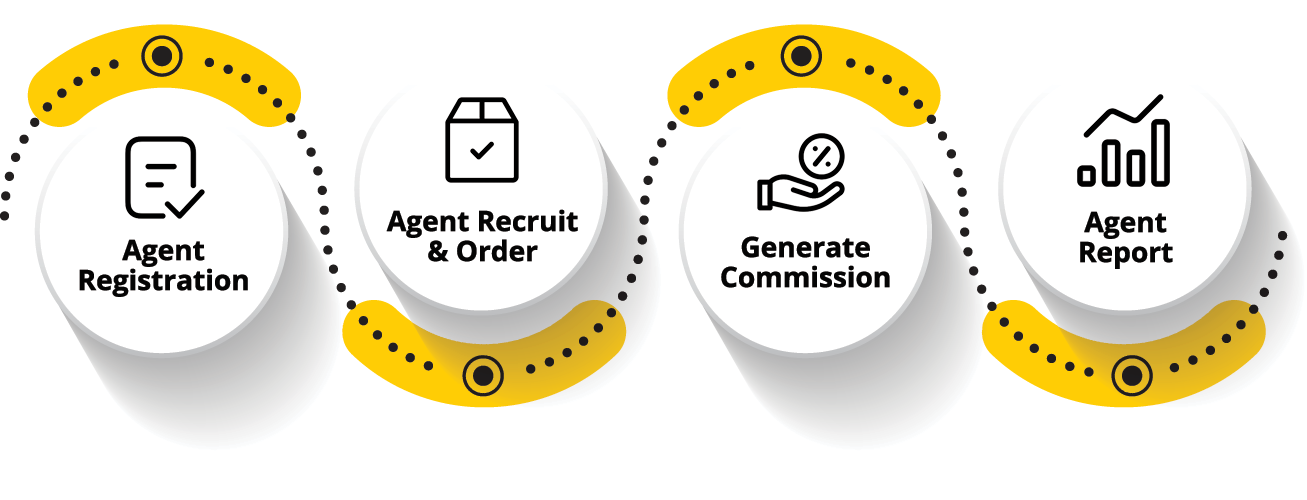
We can assess it as a custom project. Registration, attribution, calculations and payout rules must be explicitly agreed and tested.
This is a project-scope discussion, not a claim that a live commission or payout service is included.
Your business defines and approves its rules. We translate the agreed scope into reviewable software behavior.
Start with discovery, a bounded first phase and measurable acceptance criteria.
